

Our programs, NATIVARegen™-SHANIKO
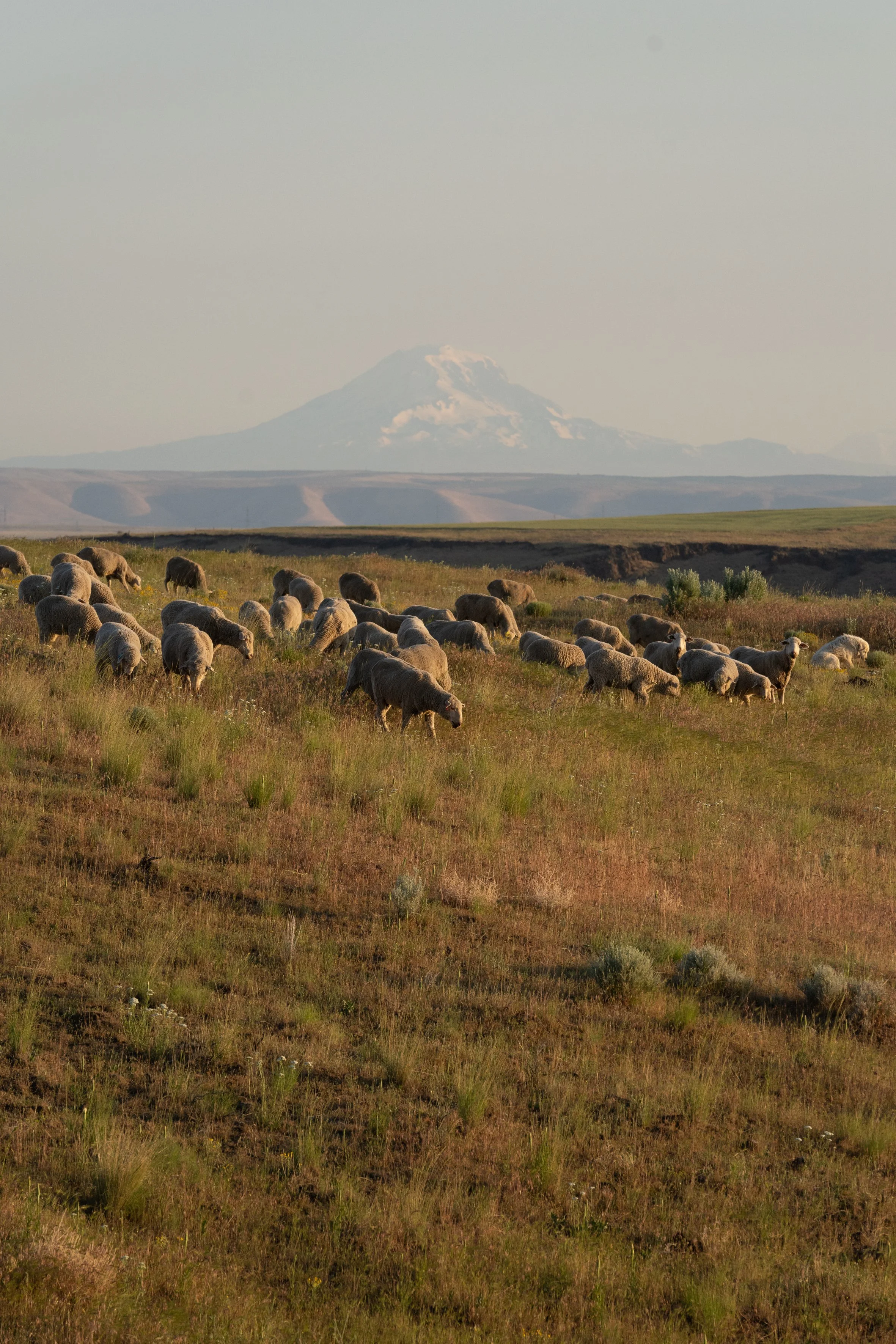
Nestled among the mountains and valleys of Oregon, a group of farms, led by Jeannie Carver, are paving the way towards regenerative agriculture.

Shaniko Wool Company, NATIVA™’s new partner consisting of ten farms across five U.S. states, was certified to Textile Exchange’s Responsible Wool Standard (RWS) in 2018. Although historically, Shaniko’s Founder, Jeanne Carver, has been championing regenerative practices since the 1990’s when her late husband developed the ‘Conservation Management Plan’ for their Oregon family farm.
“When we began, we only had a handful of salmon living in our stream, today, that number is in the thousands”.
Jeanne Carver, Shaniko.
The NATIVARegen™-Shaniko Program is the first third-party certified, regenerative wool program in the U.S. With a double NATIVA™ + RWS certification, the program is 100% transparent. Raising the bar for sustainable wool sourcing in the country, it builds on holistic farming practices that promote healthy ecosystems and preserve biodiversity for the current generations, and those to come.

The NATIVA™ Regenerative Agriculture Program is a robust system with a triple impact, one based on scientific research and backed by data. It protects the land by bettering its soil quality, safeguards the animals by ensuring their healthy keeping, and supports farmers and local communities by improving their livelihoods. These multidisciplinary efforts also result in greater water quality and increased CO2 capturing levels.
In addition, the program features its very own combing mill, (Chargeurs Wool USA is the only wool combing mill in the United States), which allows U.S partners to further embody the low-carbon benefits associated with local production.
Collaborating with leading research institutes, local universities, and sustainability pioneers such as Quantis, NATIVA™ and Shaniko have teamed up to offer an integral wool sourcing solution that goes well beyond the fiber. The NATIVARegen™-Shaniko program aims to preserve local resources, by restoring the balance amongst garment production, the environment, and its people.