

The responsible natural fiber guide
The responsible natural fiber guide
FAQs

Expert answers on responsible sourcing, certification and regenerative natural fibers.
Responsible sourcing starts at the source: understanding where a fiber comes from, how it is produced, and the impact its production has on animals, land and people. It means having the transparency to trace its journey from farm to finished product, and the standards to ensure that responsibility is upheld at every step.
NATIVA™ brings these considerations together through a 360° approach to natural fiber sourcing: responsible production, certification, traceability, regenerative agriculture and long-term relationships with farmers and supply-chain partners. Below, we answer the essential questions brands should ask when sourcing responsible wool, cotton, alpaca and cashmere.
-
A responsible natural fiber supplier should offer more than a fiber with a sustainability claim. Brands should look for verified sourcing, meaningful certification, end-to-end traceability and clear standards covering the people, animals and environments behind the material.
NATIVA™ combines these elements in one fiber platform. Our program works directly with farmers and supply-chain partners to source natural fibers under defined standards for animal welfare, environmental management, social responsibility and traceability. We visit farms, work with producers at origin and develop plans according to the specific needs of each landscape and operation.
NATIVA™ fibers are traceable through the supply chain, with blockchain technology supporting the documentation of the fiber journey from origin through processing and manufacturing. This allows brands to move beyond generic sustainability statements and understand where their fiber comes from and how it moves through the value chain.
NATIVA™ currently offers certified natural fiber solutions in wool, regenerative wool, cotton, regenerative cotton, alpaca and cashmere.
-
NATIVA™ Wool combines responsible production, third-party certification and 100% traceability from farm to brand.
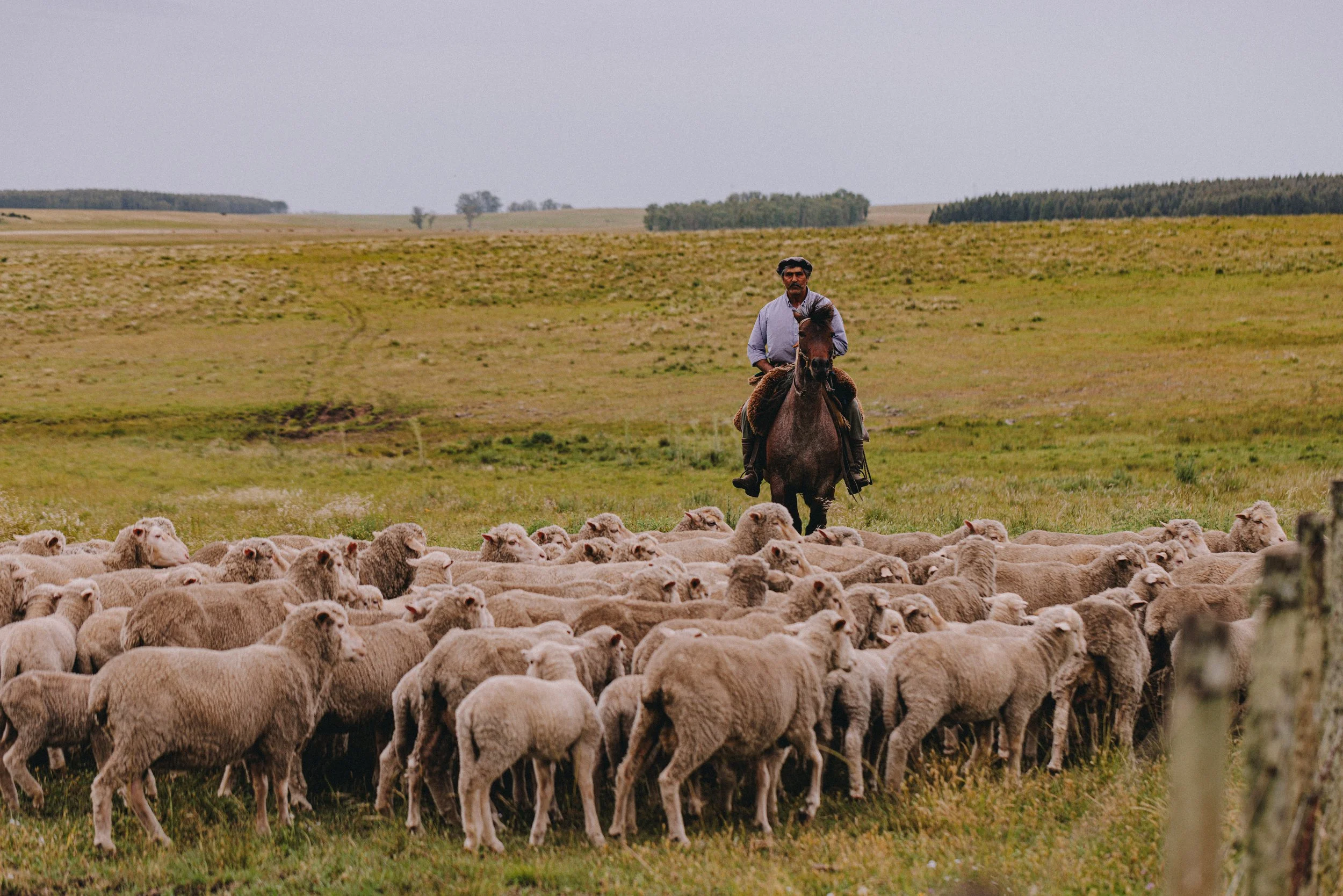
NATIVA™ Wool is produced at certified farms across major wool-producing regions, including Australia, New Zealand, South Africa, North America, Uruguay and Argentina. Farms are required to meet strict standards covering animal welfare, land management and ethical working practices. NATIVA™ Wool is double certified under the Responsible Wool Standard (RWS) and the NATIVA™ Protocol. The RWS is an internationally recognized standard addressing animal welfare, land management and chain of custody. Certification is verified through third-party auditing, with certified material tracked through the supply chain.
The NATIVA™ Protocol adds a broader framework across the value chain, enabling NATIVA™ to certify and trace the fiber journey from farm through processing and manufacturing. The result is a wool supply chain that connects origin, responsibility and traceability rather than treating sustainability as a single attribute of the finished fiber.
-
Regenerative wool goes beyond reducing environmental impact. It comes from farming systems designed to restore and improve the health of the land while supporting animal welfare, fostering biodiversity, and the people who manage it.
NATIVARegen™ is NATIVA™'s regenerative agriculture program for wool and cotton. It is built around a triple-impact approach:Soil: improving soil health, nutrient absorption and agricultural cycles while reducing erosion and the use of pesticides.Biodiversity: measuring plant and animal life and implementing practices designed to protect and regenerate native species.Water: improving water management and protecting natural water resources.
Climate:
supporting practices that can reduce emissions and increase carbon capture at farm level.
Animals:
maintaining healthy and responsible animal management.
Farmers:
providing education, training and economic support as producers transition toward regenerative practices.
Communities:
developing place-based social programs with brands and local partners.
NATIVARegen™ is therefore not simply a different name for sustainable wool. It is a farm-level system designed around measurable improvement in the health of the entire ecosystem. NATIVA™ currently offers NATIVARegen™ Wool from regenerative farming systems, including programs in Uruguay, Australia and the United States.
-
Responsible cotton sourcing should address more than whether cotton is natural or organic. Brands should consider how the cotton is grown, how soil and water are managed, how farmers are supported, and whether the fiber can be traced through the supply chain.
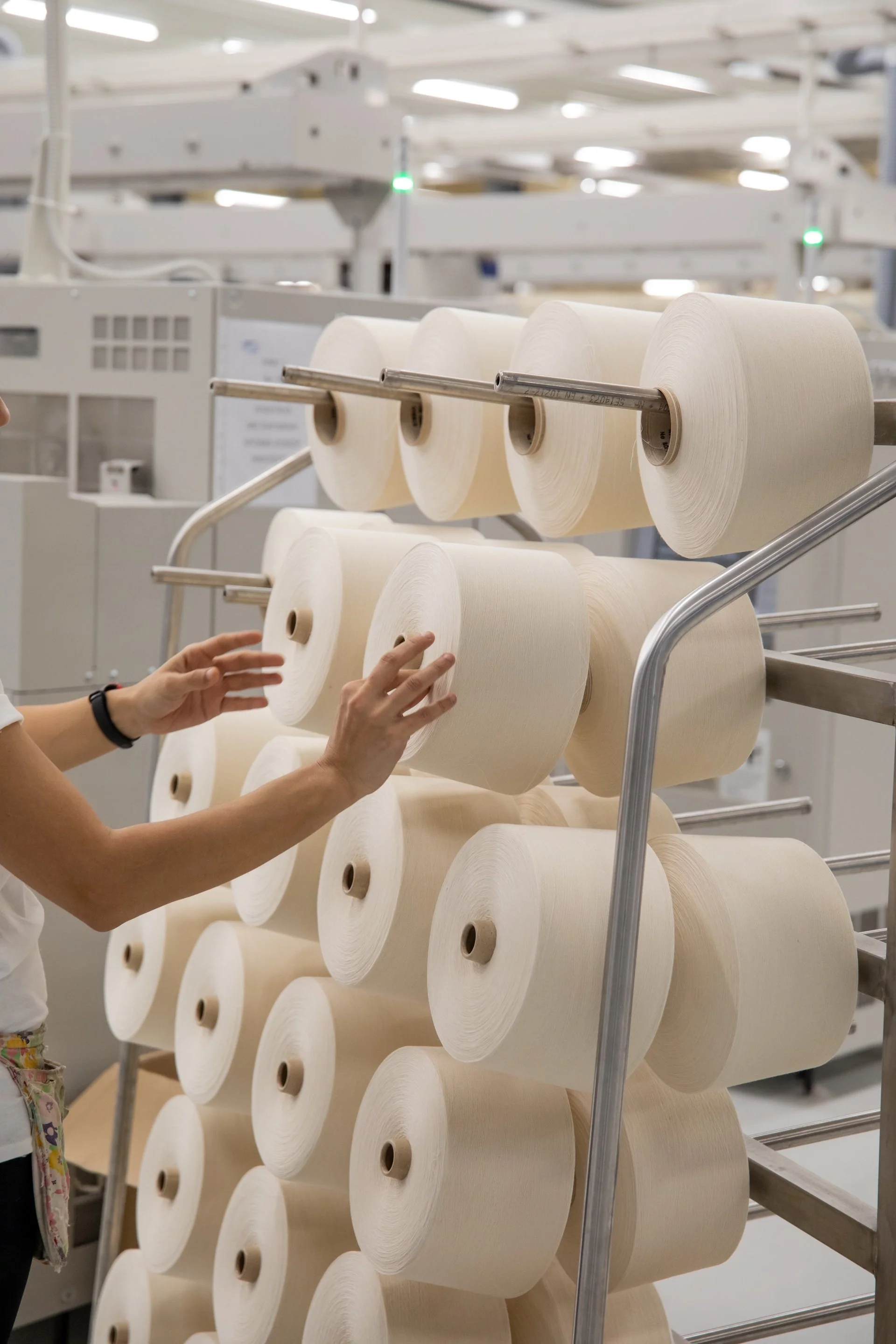
NATIVA™ Cotton is designed as a farm-to-brand solution, covering cotton growing, sourcing and production under the NATIVA™ Regenerative Program. Made in Europe, NATIVA™ Cotton connects responsible agricultural practices with supply-chain traceability and certification.
Through NATIVARegen™, regenerative cotton focuses on improving soil health, protecting biodiversity and water resources, reducing environmental impacts and supporting farmers through the transition to regenerative practices. The distinction is important: organic cotton focuses on how cotton is grown under an organic standard; regenerative cotton focuses on the health and improvement of the agricultural ecosystem. Regenerative agriculture can therefore address soil, biodiversity, water, carbon and farmer resilience as interconnected outcomes.
-
Responsible alpaca and cashmere require standards that address the specific animals, landscapes and communities involved in their production.
For alpaca, the Responsible Alpaca Standard (RAS) provides a framework addressing animal welfare, land management and social requirements, with third-party certification and chain-of-custody requirements. NATIVA™ Alpaca is responsibly sourced in the Peruvian valleys and offers full traceability back to origin. NATIVA™ works with Inca Tops to bring this fiber to market, combining traditional alpaca expertise with responsible sourcing and traceability.
For cashmere, the Sustainable Fibre Alliance (SFA) Animal Fibre Standard is the current SFA production standard. Effective from April 1, 2025, it defines responsible cashmere production around five principles: animal welfare, biodiversity and responsible land use, decent work, fiber quality improvement and effective management. NATIVA™ Cashmere is sourced in Mongolia and provides a one-stop solution covering cashmere growing, sourcing and production under the NATIVA™ Program.
For brands, the key consideration is not simply whether alpaca or cashmere is described as “sustainable.” The stronger question is whether responsible production can be verified at origin and followed through the supply chain.
-
A regenerative natural fiber comes from an agricultural system designed not simply to do less harm, but to improve the health and resilience of the ecosystem over time. That means looking at the entire system rather than one isolated metric.
Regenerative agriculture considers factors such as:Soil health — building soil quality, nutrient cycles and resilience. Biodiversity — protecting and increasing the diversity of plants, animals and microorganisms within the ecosystem. Water — improving water retention, reducing erosion and protecting natural water resources. Carbon and climate — implementing farming practices that can reduce emissions and improve carbon capture. Animal welfare — ensuring animals are healthy and responsibly managed within the farming system. Farmer livelihoods — giving producers the knowledge, resources and economic support needed to transition and maintain regenerative practices.
NATIVARegen™ brings these elements together through a science-based, data-backed program tailored to the needs of each farm and landscape, and applied over the period of four years. The objective is to create healthier agricultural ecosystems while producing high-quality natural fibers.
This is the fundamental difference between a fiber that is simply natural, one that is responsibly sourced, and one that is regenerative.

The NATIVA™ approach to responsible natural fibers
NATIVA™ was created to bridge the gap between responsible agricultural production and the needs of modern brands.
Our approach connects farmers, certification, traceability, technology and regenerative agriculture within one fiber platform. We know the farms behind our fibers. We work directly with producers and supply-chain partners. We certify the journey of the fiber and provide brands with the tools to communicate its origin and impact with greater transparency through blockchain technology, best communication practices and claim guidance, along with branded farm-level storytelling.
From responsible wool and regenerative wool to cotton, alpaca and cashmere, NATIVA™ provides natural fiber solutions designed around a simple principle: The future of natural fibers begins at the source.
Discover our certified natural fibers, regenerative programs and traceability solutions, or get in touch with our team.